
Gaslighting is a form of psychological manipulation that can leave lasting emotional and mental scars. Whether experienced in romantic relationships, friendships, family dynamics, or the workplace, gaslighting can distort your perception of reality and damage self-confidence. Understanding gaslight effects is essential, especially for those recovering from past relationship trauma.
In this article, we’ll explore what gaslighting is, how it affects mental health, and how relationship counselling can help rebuild self-trust and emotional resilience.
What Is Gaslighting?
Gaslighting is a form of emotional abuse where a person or group makes someone question their reality, memories, or perceptions. The term originates from the 1944 film Gaslight, in which a husband manipulates his wife into believing she is losing her mind.
According to the U.S. based National Domestic Violence Hotline (source), gaslighting is a common tactic used in abusive relationships to gain control over a victim by making them question their thoughts and feelings.
Common Gaslighting Tactics
✅ Denying facts or events – “That never happened.”
✅ Shifting blame – “You’re just being too sensitive.”
✅ Contradicting evidence – “You’re imagining things.”
✅ Undermining emotions – “You’re overreacting.”
✅ Using confusion as control – “You always remember things wrong.”
Gaslighting is a form of psychological manipulation where a person makes someone doubt their own memories, feelings, or perception of reality. Over time, this can lead to confusion, low self-esteem, and emotional dependence on the manipulator. Recognizing these patterns is the first step toward setting healthy boundaries and seeking support.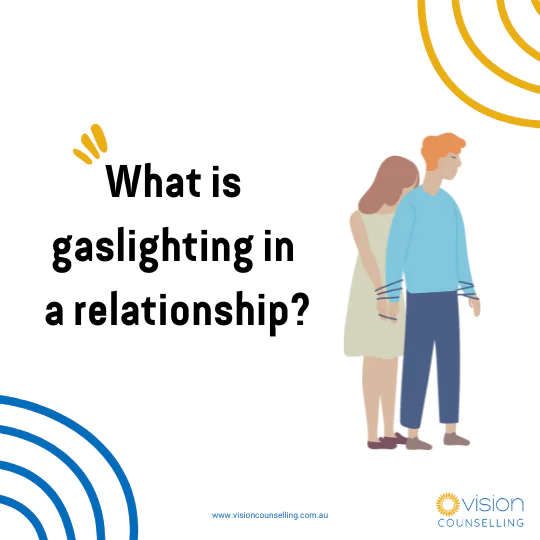
What is Gaslighting in a Relationship?
Gaslighting is a form of psychological manipulation where one partner makes the other doubt their thoughts, memories, and perceptions. This can happen subtly over time or through more overt tactics, leading the victim to question their reality, self-worth, and even sanity.
In romantic relationships, gaslighting can be especially damaging because trust and communication are the foundation of a healthy partnership. A gaslighting partner may:
- Deny things they previously said or did, making their partner feel confused or forgetful.
- Dismiss their partner’s emotions, telling them they’re “too sensitive” or “overreacting.”
- Twist the truth or shift blame to avoid responsibility.
- Make their partner feel like they must rely on them for validation and truth.
Over time, this manipulation can erode self-confidence, making it difficult for victims to trust their emotions, set boundaries, or leave toxic relationships.
Victims of gaslighting often struggle to set boundaries, trust their own judgment, or feel confident in their emotions.
🔗 Related: How to Recognize and Heal from Past Relationship Trauma
The Psychological Effects of Gaslighting
Gaslighting can have severe and long-lasting effects on emotional well-being. Studies have shown that psychological manipulation can contribute to anxiety, depression, and post-traumatic stress disorder (PTSD) (American Psychological Association).
Common psychological effects include:
🔹 Low self-esteem – Constant self-doubt can make individuals feel worthless.
🔹 Anxiety and depression – Emotional manipulation leads to ongoing distress.
🔹 Isolation – Gaslighters often alienate victims from supportive relationships.
🔹 Hypervigilance – Victims may become overly cautious or fearful.
🔹 Difficulty trusting others – Gaslighting can make future relationships challenging.
How Gaslighting Impacts Long-Term Mental Health
A report published by Psychology Today states that gaslighting can result in cognitive dissonance, where victims struggle to align their internal reality with the distorted version presented by the abuser. This often leads to self-doubt, chronic stress, and emotional exhaustion.
How to Recover from Gaslighting
Breaking free from gaslighting takes intentional steps toward self-awareness and healing. Here’s how you can start:
🟢 Acknowledge the manipulation – Recognizing gaslighting is the first step to breaking free.
🟢 Rebuild self-trust – Keep a journal to validate your experiences and emotions.
🟢 Set firm boundaries – Limit contact with the manipulator when possible.
🟢 Seek professional support – Counselling can provide guidance and coping strategies.
🟢 Surround yourself with support – Trusted friends and family can help reinforce reality.
If you suspect you’re experiencing gaslighting, reaching out for professional counselling can be a crucial step toward recovery.
Final Thoughts
Gaslighting is a manipulative tactic that can deeply impact mental and emotional well-being. Recognizing the signs and seeking support can help you regain confidence and break free from emotional abuse.
If you’re struggling with gaslighting effects or recovering from a past toxic relationship, relationship counselling in Perth can provide the tools to rebuild self-esteem, set boundaries, and heal from emotional trauma.

