
Understanding the Different Settings for Counselling
Counselling is a vital resource for people seeking support, guidance, and professional help in managing life’s challenges. Whether it’s for mental health, relationship issues, or personal growth, the setting where counselling takes place can have a significant impact on the experience and outcome. But where exactly does counselling occur, and what options are available in Australia?
Counselling can take place in various settings such as a therapist’s office, community centres, online (via video calls), over the phone, or in group settings. Wherever the setting, the counsellor and client will need to ensure that it is private to uphold the confidentiality of the therapy session.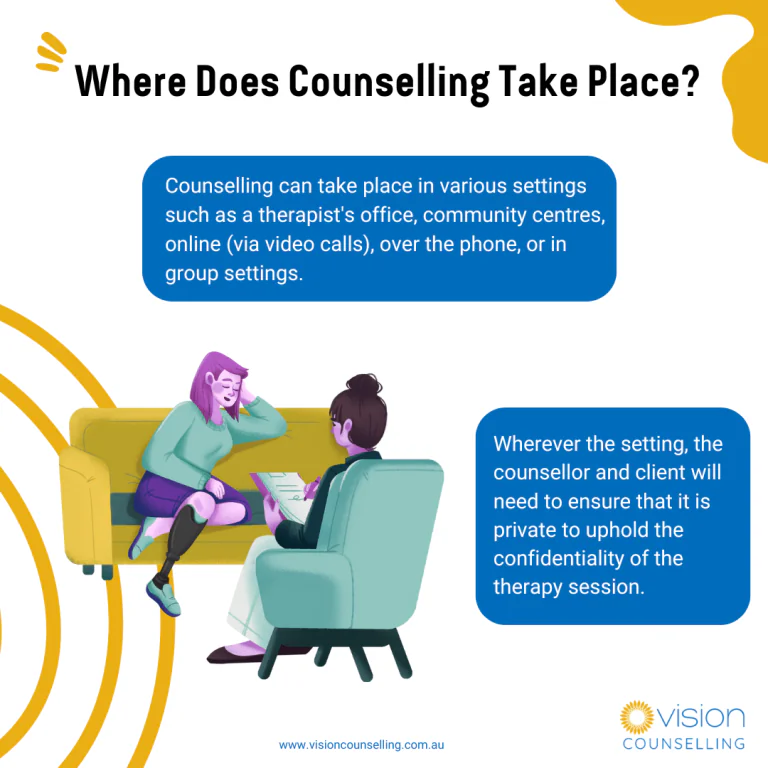
Traditional Face-to-Face Counselling
Traditionally, counselling has taken place in person, with clients visiting a therapist’s office or clinic. These sessions are often held in private, comfortable settings designed to create a safe and confidential environment for open dialogue. In Australia, many counsellors practice in dedicated offices, community centres, or healthcare facilities. This face-to-face format remains one of the most common ways to access therapy and provides the benefit of physical presence, which can enhance connection and communication.
Statistics from the Australian Counselling Association (ACA) show that over 60% of Australians still prefer in-person counselling for more sensitive or complex issues like trauma or relationship counselling (source: ACA 2021). The interaction between client and therapist in a shared physical space can help build trust and foster deeper emotional connection.
Online Counselling
In recent years, online counselling has grown in popularity, particularly in Australia’s more remote areas where access to in-person services can be limited. Online counselling involves using video conferencing platforms to hold therapy sessions from the comfort of the client’s own home. This option became especially important during the COVID-19 pandemic, with many people opting for telehealth counselling services.
A 2020 study conducted by Relationships Australia found that over 70% of Australians who used online therapy during the pandemic reported that it was just as effective as in-person counselling for their needs (source: Relationships Australia 2020). Online counselling offers flexibility and convenience, making it a practical option for those with busy schedules, mobility issues, or those living in rural areas.
Phone Counselling
Phone counselling provides another flexible option for individuals who may not feel comfortable with video calls or who prefer to remain more anonymous. This format allows clients to speak with a qualified therapist over the phone at a scheduled time. Many Australians find phone counselling beneficial for short-term or immediate concerns, such as crisis support or initial assessments before transitioning to face-to-face or online therapy.
Several Australian mental health services, such as Lifeline and Beyond Blue, offer phone counselling as a way to provide immediate support. Statistics indicate that more than 35% of people seeking immediate emotional support in Australia turn to phone counselling services for urgent help (source: Beyond Blue, Lifeline 2022).
Community and Group Counselling
Counselling doesn’t always need to be one-on-one. Group counselling sessions are also available in many community centres and support networks across Australia. This type of counselling brings together individuals who may share similar experiences or challenges, providing an opportunity for collective healing and peer support. Group counselling can take place in community centres, hospitals, or non-profit organisations that offer support for issues like addiction, bereavement, or family problems.
According to research by the Australian Institute of Health and Welfare, group counselling is becoming an increasingly popular option, particularly for issues like addiction recovery and mental health support. Around 20% of Australians accessing therapy have participated in group sessions as part of their healing journey (source: AIHW 2021).
Counselling in Schools, Workplaces, and Other Environments
Counselling services can also be found in more specialised environments such as schools and workplaces. School counsellors are available to support students with educational challenges, mental health issues, and personal problems. In workplaces, Employee Assistance Programs (EAPs) offer counselling services to employees dealing with work-related stress or personal concerns. These environments offer easy access to therapy for those who might not seek help elsewhere.
Workplace counselling in Australia has grown, with over 50% of Australian employers now offering some form of EAP to their employees (source: Australian Human Resources Institute 2021). This trend reflects the increasing recognition of mental health and wellbeing as critical factors in productivity and job satisfaction.
Home Visits for Counselling
In some cases, counsellors may visit clients in their homes. This can be particularly beneficial for individuals who are unable to leave their homes due to disability, illness, or mobility issues. In-home counselling can provide a comfortable and familiar setting, helping clients feel more at ease. Although less common, home visits are still an important option within the counselling landscape and may be accessed through the National Disability Insurance Scheme, depending on the counselling provider.
Conclusion: Tailoring Counselling to Your Needs
Counselling can take place in a variety of settings, offering flexibility to suit individual preferences and circumstances. Whether you prefer the traditional face-to-face method, the convenience of online or phone counselling, or the support of group sessions, Australia’s diverse counselling services ensure that help is available wherever it’s needed. If you’re seeking support, understanding the different options can help you choose the right environment for your therapeutic journey.
References:
- Australian Counselling Association. (2021). Preferred counselling settings: Face-to-face vs. online.
- Relationships Australia. (2020). The rise of online therapy during the pandemic.
- Beyond Blue, Lifeline. (2022). Statistics on phone counselling services in Australia.
- Australian Institute of Health and Welfare. (2021). Group counselling trends and mental health support.
- Australian Human Resources Institute. (2021). The growth of Employee Assistance Programs in Australian workplaces.

