
Anxious attachment is a common attachment style that can make navigating life’s challenges more difficult. People with anxious attachment often fear rejection and experience heightened sensitivity in relationships. While anxious attachment can impact relationships, building emotional resilience is key to handling life’s challenges effectively. In this article, we’ll explore what anxious attachment is, how to develop resilience, and why support networks are essential for managing life’s difficulties.
Anxious attachment, also known as preoccupied attachment, is an insecure attachment style characterized by a strong desire for closeness and fear of abandonment. People with this attachment style often seek constant reassurance from their partners and may feel overly dependent on their relationships. This can lead to feelings of insecurity, anxiety, and heightened emotional responses when they perceive threats to their relationship stability.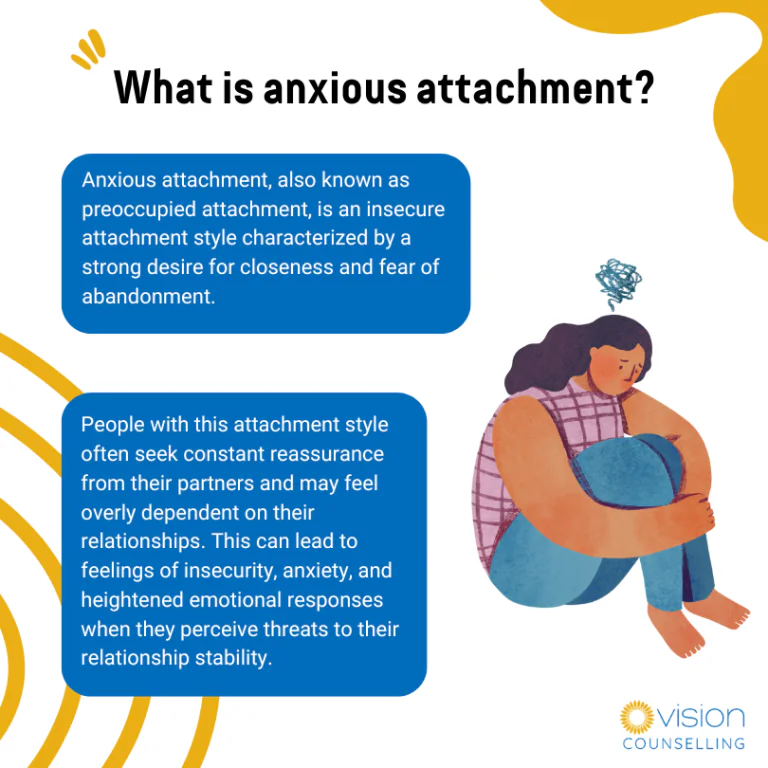
Understanding Anxious Attachment
Anxious attachment is an attachment style often characterized by insecurity, fear of abandonment, and a strong need for reassurance. According to research, 20% of adults have an anxious attachment style, which can influence their behavior in relationships (American Psychological Association). People with anxious attachment may experience:
- Frequent worry about relationship stability
- Heightened sensitivity to signs of rejection
- A need for constant reassurance
- Difficulty handling separation or emotional distance
If you identify with these traits, remember that anxious attachment is just one part of your relationship style. Learning to manage this attachment style through emotional resilience can empower you to lead a more balanced, fulfilling life. Vision Counselling’s Individual Therapy Services offer tailored support for those looking to understand and work through their attachment style.
The Concept of Emotional Resilience
What is Emotional Resilience?
Emotional resilience refers to the ability to adapt to and recover from life’s difficulties. It involves skills such as self-awareness, emotional regulation, and problem-solving, which can help you navigate challenges effectively. For those with anxious attachment, emotional resilience can mitigate attachment-related fears and foster more secure relationships.
Research from the National Institutes of Health (NIH) indicates that building resilience helps reduce symptoms of anxiety and depression, improving mental well-being (NIH). In other words, emotional resilience doesn’t eliminate anxiety or insecurities but equips you with strategies to manage them.
Benefits of Emotional Resilience for Anxious Attachment
For those with anxious attachment, building resilience can help:
- Reduce fear of abandonment by fostering a secure sense of self
- Improve self-soothing techniques to handle separation
- Enhance confidence in handling relationship challenges
Techniques to Develop Resilience
Building resilience is a gradual process that involves adopting certain habits and mindsets. Here are proven techniques for developing resilience, especially for those dealing with anxious attachment:
1. Practice Mindfulness and Self-Awareness
Mindfulness can help you become more aware of your thoughts, especially during moments of stress or insecurity. For people with anxious attachment, mindfulness can reduce the urge to seek constant reassurance by focusing on self-regulation. Studies show that mindfulness practices can significantly reduce anxiety levels (Mindful.org).
How to Practice Mindfulness:
- Set aside a few minutes daily to focus on your breathing and observe your thoughts without judgment.
- Use mindfulness apps or guided meditation videos to help you get started.
For more strategies on managing anxiety through mindfulness, visit our Mindfulness Techniques page.
2. Challenge Negative Thought Patterns
Anxious attachment often leads to negative thinking patterns, such as catastrophizing or assuming the worst in relationships. Cognitive Behavioral Therapy (CBT) is an effective approach to challenging and replacing negative thoughts with more realistic ones. According to the Australian Psychological Society, CBT is one of the most effective therapies for managing anxiety and attachment issues (Australian Psychological Society).
Steps for Challenging Negative Thoughts:
- Write down recurring negative thoughts and examine the evidence for and against them.
- Replace negative assumptions with balanced perspectives.
3. Develop Self-Compassion
Self-compassion involves treating yourself with the same kindness and understanding you would offer a friend. Studies suggest that self-compassion can enhance resilience by reducing self-criticism and building inner strength (Harvard Health). For individuals with anxious attachment, self-compassion helps reduce dependency on external validation, promoting a more secure sense of self.
Practices for Building Self-Compassion:
- Practice self-affirmations or journal about positive qualities you value in yourself.
- Engage in self-care activities that promote emotional well-being.
For more on how self-compassion can aid in overcoming anxiety, check out Our Guide to Self-Compassion.
4. Set Personal Goals
Setting achievable personal goals can boost confidence and independence, important for those with anxious attachment. Goal-setting can create a sense of purpose and allow you to focus on individual growth rather than relationship worries. Studies from Psychology Today show that achieving personal milestones can increase self-efficacy, which is linked to higher emotional resilience (Psychology Today).
Goal-Setting Tips:
- Start with small, measurable goals that are meaningful to you.
- Break down each goal into actionable steps and celebrate progress.
The Importance of Support Networks
Building a support network is essential for emotional resilience, especially for individuals with anxious attachment. A supportive circle of friends, family, or a therapist provides a safe space to share worries, receive encouragement, and gain perspective.
Benefits of a Support Network for Anxious Attachment
Research shows that strong social support networks reduce stress and improve resilience, even in the face of adversity (Australian Institute of Health and Welfare). A support network can offer:
- Emotional Validation: Knowing that others understand your experiences can help reduce feelings of isolation.
- Constructive Feedback: Trusted friends and family can provide insight into situations where anxious attachment may be influencing your perceptions.
- Encouragement to Seek Professional Help: Supportive people can encourage you to seek therapy or counseling if needed.
Vision Counselling offers individual counselling services that can support you in developing resilience and managing anxious attachment patterns effectively.
Practical Steps for Building Your Support Network
If you feel your support network is limited, consider the following steps:
- Join Support Groups: Many communities offer support groups for people dealing with anxiety and attachment issues. These groups provide a safe environment to share experiences and learn from others.
- Seek Professional Support: Working with a therapist can offer insights and strategies tailored to your needs. For those with anxious attachment, professional guidance can help reduce dependency on others for emotional support.
- Nurture Existing Relationships: Invest time in relationships that feel supportive and reciprocative. Building deeper connections can help counter the feelings of insecurity that come with anxious attachment.
Conclusion
Anxious attachment may present challenges, but it doesn’t have to define your life. By building emotional resilience, challenging negative thought patterns, and fostering a strong support network, you can manage the effects of anxious attachment and enhance your overall well-being. Remember, overcoming anxious attachment is a journey, and you don’t have to do it alone.
Vision Counselling’s Individual Therapy Services provide professional, compassionate support to help you build resilience and achieve a more balanced, fulfilling life.

