Many young people experience anxiety even during seemingly “good” times due to a combination of internal pressures and external influences. Gen Z and Millennials are navigating a world filled with social media comparison, rising living costs, career uncertainty, and global issues like climate change. These ongoing stressors can create a sense of unease or burnout that isn’t always linked to one specific problem.
Anxiety doesn’t always need a clear trigger — and just because things look okay on the outside doesn’t mean someone isn’t struggling internally. If you or someone you know feels this way, it’s important to acknowledge those feelings and consider speaking to a mental health professional.
Understanding the Anxiety Epidemic
Anxiety disorders are at an all-time high, particularly among younger generations. Gen Z (born 1997-2012) and Millennials (born 1981-1996) report higher levels of stress, anxiety, and depression compared to older generations.
A 2023 Gallup poll found that 36% of Gen Z adults experience daily stress and worry, compared to 22% of Baby Boomers (source). Meanwhile, a study by the American Psychological Association (APA) found that Gen Z is the most anxious generation, with 91% experiencing physical or emotional symptoms due to stress (source).
So, why are young people experiencing anxiety at such high rates?
Top Causes of Anxiety Among Gen Z and Millennials
1. Financial Uncertainty and Cost of Living Pressures
- Rising costs of housing, groceries, and education contribute to financial stress and job insecurity.
- 72% of Gen Z adults report money as their biggest stressor (source).
2. Social Media and Digital Overload
- Excessive screen time and social comparison lead to increased anxiety, low self-esteem, and fear of missing out (FOMO).
- A study published in JAMA Psychiatry found that high social media use is linked to a 50% increase in depressive symptoms among teens and young adults (source).
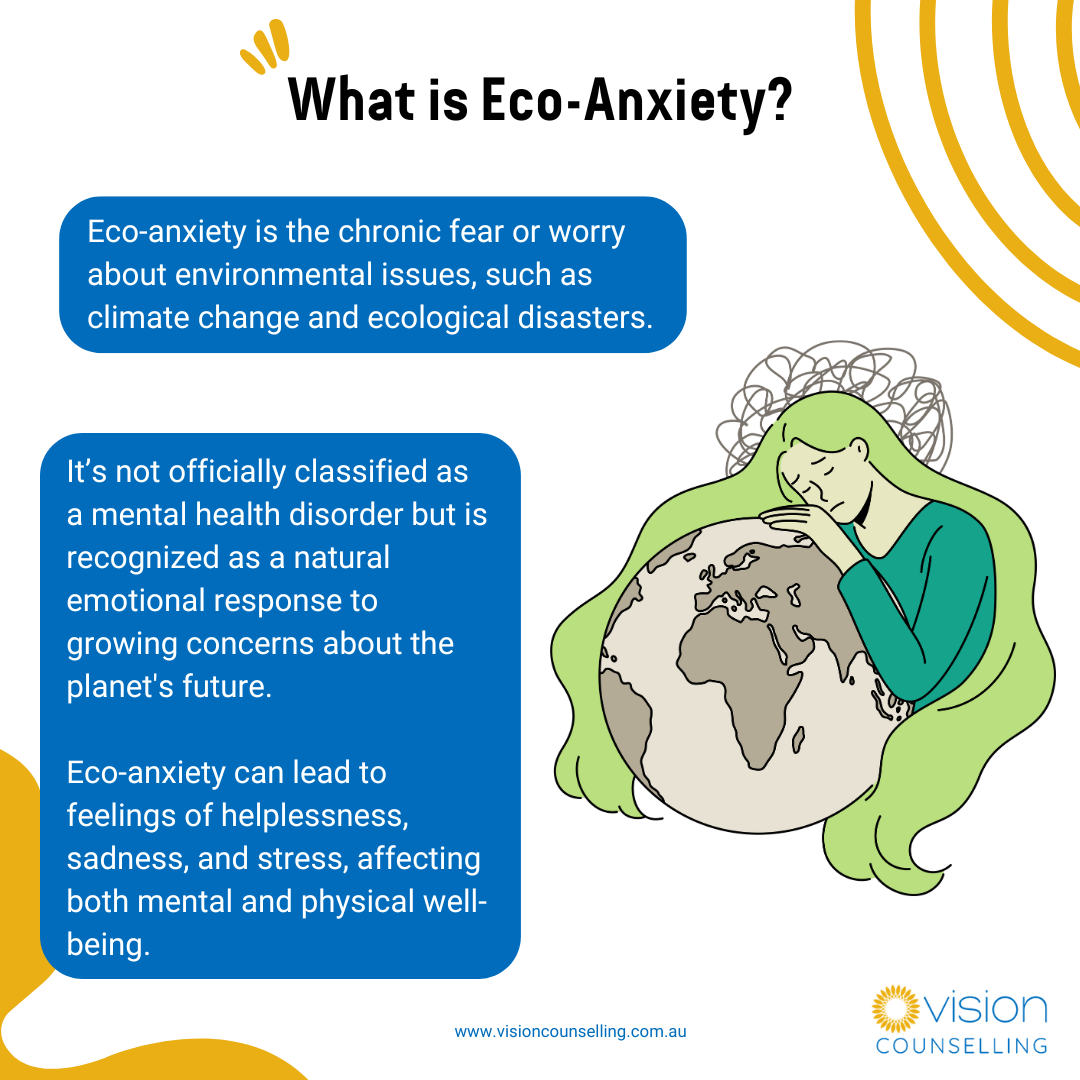
3. Climate Change Anxiety (“Eco-Anxiety“)
- The uncertainty of climate change and its effects cause stress among younger generations.
- 67% of Gen Z say climate change negatively impacts their mental health (source).
4. Workplace Burnout and Career Pressure
- Many young people feel pressure to achieve success quickly, leading to burnout, job dissatisfaction, and work-related stress.
- Gen Z workers report burnout at higher rates (42%) compared to 24% of Baby Boomers (source).
5. Mental Health Stigma and Lack of Access to Support
- Despite growing awareness, many young people struggle to access affordable and timely mental health care.
How Can Young People Manage Anxiety?
1. Seek Professional Support
Counselling can help individuals develop coping mechanisms and address underlying stressors.
➡️ Find support at Vision Counselling.
2. Set Boundaries with Technology
- Reduce doomscrolling and take regular breaks from social media.
- Use screen time management apps to limit excessive usage.
3. Practice Self-Care and Stress-Reduction Techniques
- Mindfulness, exercise, and journaling can help regulate emotions.
- Studies show that just 30 minutes of exercise can significantly reduce anxiety (source).
4. Build a Strong Support System
- Talking to trusted friends, family, or mental health professionals can help alleviate anxiety.
5. Access Free Community Counselling Programs
If cost is a barrier, consider free or low-cost mental health programs like the Stirling Support Program, which provides counselling for those in need.
Final Thoughts: Breaking the Cycle of Anxiety
Gen Z and Millennials are facing unique stressors that contribute to rising anxiety levels. By seeking professional support, setting boundaries with technology, and engaging in self-care, young people can take steps to manage their mental well-being.
If you’re struggling with anxiety, don’t wait—contact Vision Counselling today to book an appointment.