
Why We’re More Connected Than Ever — Yet Still Feel Alone
In a world filled with notifications, likes, and instant messages, why do so many people feel disconnected?
Recent research is showing a disturbing trend: digital connection does not necessarily equal emotional connection. As a result, loneliness is now considered a public health issue — particularly for young people.
📊 Loneliness by the Numbers
Because emotional connection is different from digital interaction. Without meaningful in-person relationships and deep conversations, loneliness can grow — even in a sea of social content.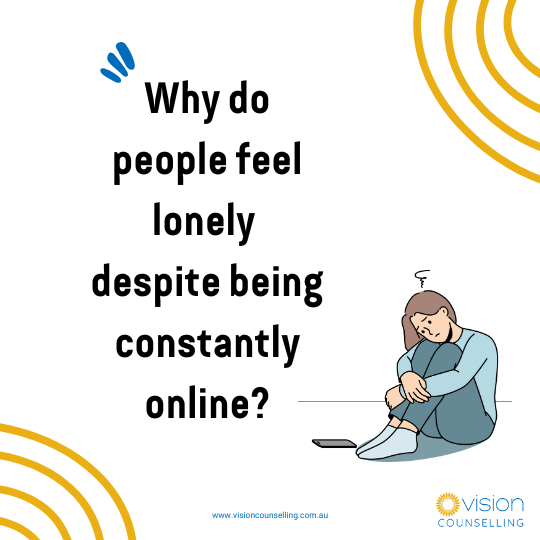
Yes, but digital connection can often lack emotional depth. Without meaningful conversations and face-to-face interactions, we can still feel emotionally isolated.
- 1 in 3 Australians feel lonely, according to the Australian Psychological Society.
- 73% of young Australians aged 18–25 report feeling lonely at least occasionally.
- Loneliness increases the risk of early death by 26%, according to a landmark study published in Perspectives on Psychological Science.
- In 2023, the Surgeon General of the United States declared loneliness a public health epidemic, noting it was “as dangerous as smoking 15 cigarettes a day.”
➡️ Source: U.S. Surgeon General Advisory - In Australia, the Loneliness and Social Isolation Report by Ending Loneliness Together highlights how social isolation is rising post-COVID.
➡️ Source: Ending Loneliness Together
💡 What’s Driving Digital-Age Loneliness?
1. The Illusion of Connection
We’re chatting, liking, and reacting — but not truly connecting. Studies show passive social media use (just scrolling) is linked to poorer mental health outcomes.
➡️ Source: VicHealth – Young Australians and Digital Wellbeing
2. Comparing Ourselves Online
Platforms like Instagram and TikTok promote idealised lives, which can increase feelings of inadequacy and isolation.
➡️ Source: ReachOut Australia – Social Media and Mental Health
3. Reduced Face-to-Face Time
As digital conversations increase, real-life ones often decrease. Physical presence plays a huge role in emotional connection.
4. Work and Study From Home
Post-pandemic life has normalised remote lifestyles, which can isolate individuals from casual daily social interactions.

🧠 Mental Health Consequences of Loneliness
Chronic loneliness is not just emotional — it’s physiological. It has been linked to:
- Increased anxiety and depression
- Disrupted sleep and poor immune response
- Heart disease and cognitive decline
- Increased risk of suicide, especially in young men
🛠️ Practical Ways to Reconnect (Online & Offline)
✅ Audit Your Social Media Use
Track how certain platforms make you feel. Follow accounts that uplift, and consider unfollowing ones that trigger negative emotions.
✅ Prioritise In-Person Connection
Join a local class, volunteer, or make time for a face-to-face coffee. Building real-world relationships is vital.
✅ Use Tech Mindfully
Not all tech is harmful — use it to foster real conversation, join online support groups, or attend virtual mental health workshops with real connection in mind.
✅ Seek Professional Support
Counselling can help unpack the roots of loneliness and give you tools to build meaningful connections.
🧡 How Vision Counselling Supports Connection
At Vision Counselling, we understand that loneliness affects mental health — and we’re here to help. We provide:
- Individual counselling for anxiety, isolation, and self-esteem
- Online counselling for those who feel more comfortable accessing support from home
- Group programs and community outreach, including the long-running Stirling Support Program, which helps people in Perth build emotional wellbeing and connection
If you’re in WA and seeking a safe space to talk, we’re here.

