
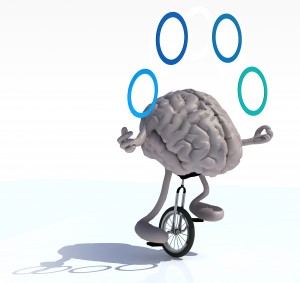
 As we progress into older adulthood, and into the later years of life, accompanying development are changes in cognitive function. The natural process of aging does not necessarily assume a decrease in mental ability and cognitive functions, such as memory. A significant decline in mental function may be due to medications and disease. It is important to note that Dementia and Alzeimer’s are not a normal part of the aging process, both of which impair memory, language and judgments and as the disease progresses, it may branch out to affect a wide range of behaviours. If you are experiencing a notable difference particularly in short term memory, find that doing routine tasks are taking you a lot longer than usual and are finding it difficult to use the right word to name everyday objects, it may be necessary to get your mental health reviewed by your local GP.
Expected or “Normal” Age Related Changes to the Brain
- Brain cells called neurons send messages or nervous impulses to each other rapidly, in response to changes in the environment, thinking, emotions and other brain processes which act as a form of communication. As we age the speed at which messages are relayed to other neurons decreases, as the overall speed that a person is able to process incoming information and to react decreases, and thus thinking, decision making and overall mental functioning is much slower compared to earlier in life.
- A number of neurons die due to aging, which decreases the overall brains size. These neurons cannot regenerate and be replaced.
- Fat and other deposits that form and exist among normal brain cells which may affect their ability to function normally.
The good news is, our brain can readily adapt and function to these changes!
Every second the human brain is forming a million new connections between neurons, which means new mental pathways are forming constantly that determine our personality, our engrained habits and the memories that we store. It is fascinating to know that no two people will ever have the same neural pathways, which means we are all truly unique!
To adapt to normal changes to the brain as we age, such as neuron death and overall decreased speed in processing of the brain, the brain is able to change in a way that we can retain normal functioning in a new way. Brain regions or specific cells, those were not previously responsible for particular metal abilities may now take on their function. If an entire function is not taken on, new connections and pathways to neurons may form in response to neurons dying. Brain plasticity, or changes in neural pathways allows for this!
How to Ensure Your Brain is Functioning at its Optimal Level in Older Age…
Get Active!
To protect against illness such as stroke which is known to impair normal brain functioning, maintaining a good level of fitness is essential. As stroke has been associated with poor unhealthy lifestyle choices, this information suggests we can be responsible for the state of our physical and mental health by:
- Engaging in 30 minutes of any form of exercise a day! Exercising increases blood flow to the brain and thus oxygen, which supplies neurons with the fuel they need, as basic units of the brain responsible for its overall functioning
- Benefits of practicing regular exercise include increase; in memory, reasoning ability and increase reaction time on tasks.
- Avoid smoking and drinking, as they are directly associated with disease and ill health
Feeding Your Mind …You Are What You Eat!
- The brain thrives and functions off a constant supply of glucose! A diet low in carbohydrates will starve your brain of energy that is needed for its efficient functioning.
- Eat a healthy and balanced diet to fuel your body and brain!
- Eating a diet low in fat and cholesterol, which are known for contributing to poor heart health, which affects blood flow to the brain.
Stimulate Your Mind and Work On Your Mental Abilities
Your brain needs regular stimulation to maintain normal functioning, if you don’t use it…you lose it!
- Get a new hobby/ interest
- Maintain and active social life and engage in stimulating and even challenging topics of conversation
- Play challenging games that challenge your intellect, vocabulary and memory, such as chess, scrabble, trivial pursuit
- Read! Books, magazines, newspapers, journals, read widely and variably
- Mix up your routine every once in a while and do even minor everyday things differently, a simple example is even sitting in a new seat on the bus, or taking a new route when you go for your daily walk!
Increase Your Memory!
There are different processes that are involved in memory formation and one of those processes that you can have slight control over is recall.
- Make sure you allocate your attention entirely to whatever it is that you want to remember, without interference or distraction which will hinder your ability to remember something
- Elaborating on a memory will increase your ability to remember greater details of an event or information in the future. Having the ability to relate the memory to some other event or information and expanding it will increase your ability to remember it!
- Practice using your memory! Testing yourself is one of the best ways to keep your ability to remember at its optimal level!
If you feel you or your loved one is experiencing age-associated memory problems, please contact us to find a therapist to help.
Article Title: Mental Health as you AgeArticle By: Vision Counselling and Psychology, Perth, Western Australia
Web Address: www.visioncounselling.com.au
Published: 30/09/2015 “Healthy Ageing- Stay Mentally Active”, (Better Health Channel), Available: https://www.betterhealth.vic.gov.au (Accessed: 2015, November 19). Image Reference: Dollar Photo Club

