
Several factors contribute to higher burnout rates in Gen Z:
Always-on work culture: Constant connectivity makes it hard to disconnect from work.
Financial and job insecurity: Concerns about financial stability and job prospects increase stress levels.
High expectations: Pressure to excel early in their careers leads to overworking.
Workplace mismatch: Lack of fulfilment when roles don’t align with personal values.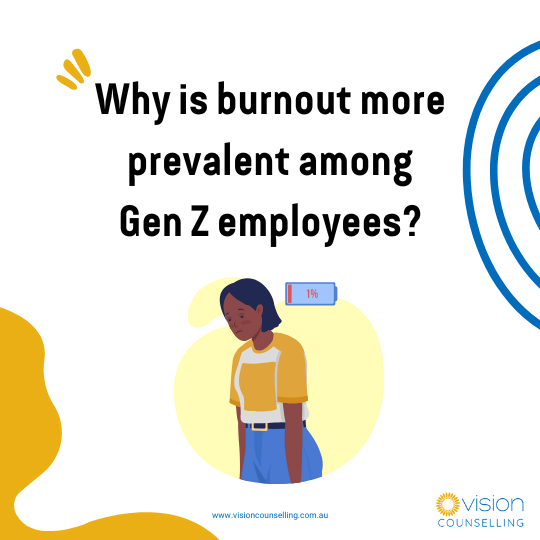
Burnout is not new, but it is hitting Gen Z workers particularly hard. A recent survey by Deloitte (2024) found that nearly 50% of Gen Z workers report feeling stressed or anxious most of the time due to workplace demands. With high expectations, financial pressures, and a blurred work-life balance, Gen Z is experiencing burnout at unprecedented rates.
Workplace burnout can affect mental health, productivity, and overall well-being. In this article, we explore why Gen Z is more vulnerable to burnout and how individuals and employers can take steps to manage it effectively.
What Is Workplace Burnout?
The World Health Organization (WHO) defines burnout as a syndrome resulting from chronic workplace stress that has not been successfully managed. It is characterized by:
✅ Emotional exhaustion – Feeling drained, overwhelmed, and unable to cope.
✅ Depersonalization – Developing a cynical or detached attitude toward work.
✅ Reduced performance – Struggling to stay motivated and productive.
Burnout can lead to serious mental health concerns such as anxiety, depression, and even physical health issues like insomnia and high blood pressure.
Why Is Gen Z Experiencing Higher Burnout Rates?
Several factors make Gen Z particularly vulnerable to workplace burnout:
1. Always-On Work Culture
Growing up in the digital age, Gen Z is constantly connected, making it harder to switch off from work. The expectation to be available via email, Slack, or other communication tools leads to poor work-life balance.
2. Financial and Job Insecurity
The cost of living crisis, student debt, and rising housing costs have increased stress levels. A 2023 McKinsey report found that over 60% of Gen Z workers worry about financial stability, contributing to burnout.
3. High Expectations and Pressure to Succeed
Many Gen Z workers feel pressured to excel early in their careers, often working long hours to prove themselves. A Gallup study (2023) showed that Gen Z is the most likely generation to engage in “hustle culture”, leading to exhaustion.
4. Workplace Mismatch and Lack of Fulfillment
Unlike previous generations, Gen Z prioritizes purpose-driven work. When their roles lack meaning or fail to align with personal values, job dissatisfaction increases, leading to disengagement and burnout.
5. Mental Health Stigma in the Workplace
Despite being the most mental health-aware generation, many Gen Z workers hesitate to seek support due to stigma. Only 31% feel comfortable discussing mental health at work (Mind Share Partners, 2023).
Signs of Workplace Burnout in Gen Z Employees
If you or someone you know is experiencing burnout, watch for these signs:
⚡ Constant fatigue and lack of motivation
⚡ Increased irritability and mood swings
⚡ Difficulty concentrating and completing tasks
⚡ Frequent headaches or trouble sleeping
⚡ Feeling detached from work or colleagues
How to Manage and Prevent Workplace Burnout
For Individuals
🧘 Set Boundaries – Avoid checking emails after hours and take regular breaks.
💬 Seek Support – Talking to a counsellor can provide tools to manage stress. Check out Vision’s Free Community Counselling Program.
🏋️ Prioritize Self-Care – Exercise, mindfulness, and hobbies help reduce stress.
🎯 Evaluate Your Job Fit – If your job is misaligned with your values, consider career coaching or counselling.
For Employers
🏢 Encourage Work-Life Balance – Promote flexible work schedules and mental health days.
📣 Normalize Mental Health Discussions – Create a culture where employees feel safe discussing burnout.
📊 Reduce Unnecessary Workloads – Ensure realistic deadlines and avoid micromanagement.
🛠️ Provide Resources – Offer Employee Assistance Programs (EAPs) or workplace counselling services.
Conclusion: Taking Action Against Burnout
Burnout is not just an individual issue—it’s a workplace and societal challenge. Recognizing the signs, setting boundaries, and seeking support can help Gen Z workers regain balance and mental well-being.
At Vision Counselling, we offer professional support for workplace stress and burnout. If you’re struggling, reach out today—your mental health matters.

